
Why Every Dealer Visit Matters When You Own a Lemon in North Carolina
Key Takeaways: A repair attempt under North Carolina’s lemon law is a documented visit to a manufacturer-authorized dealer for warranty work on the same defect, recorded on a repair order within the 24-month or 24,000-mile window. Four failed attempts for the same nonconformity create the statutory presumption under N.C.G.S. § 20-351 et seq., and 20 or more cumulative business days out of service during any 12-month warranty period offer a second route. Repair orders provide primary evidence through the written complaint, technician diagnosis, warranty billing, dates, and odometer reading. Even “no problem found” visits often qualify, while unrelated defects and independent shop repairs generally do not. Reaching the threshold requires written notice to the manufacturer and an opportunity to cure.
A repair attempt under North Carolina’s lemon law means a documented visit to the manufacturer’s authorized dealer for warranty work on the same defect, recorded on a repair order within the statutory coverage window. The count matters because North Carolina’s New Motor Vehicles Warranties Act, N.C.G.S. § 20-351 et seq., builds its presumption around a specific number of failed repairs.
If your new car or truck keeps returning to the shop, the paperwork in your glove box may already tell the story. The team at Jeffries Law reviews repair histories for North Carolina purchasers and lessees. Call 877-454-6045 or contact us now to have your repair orders reviewed.
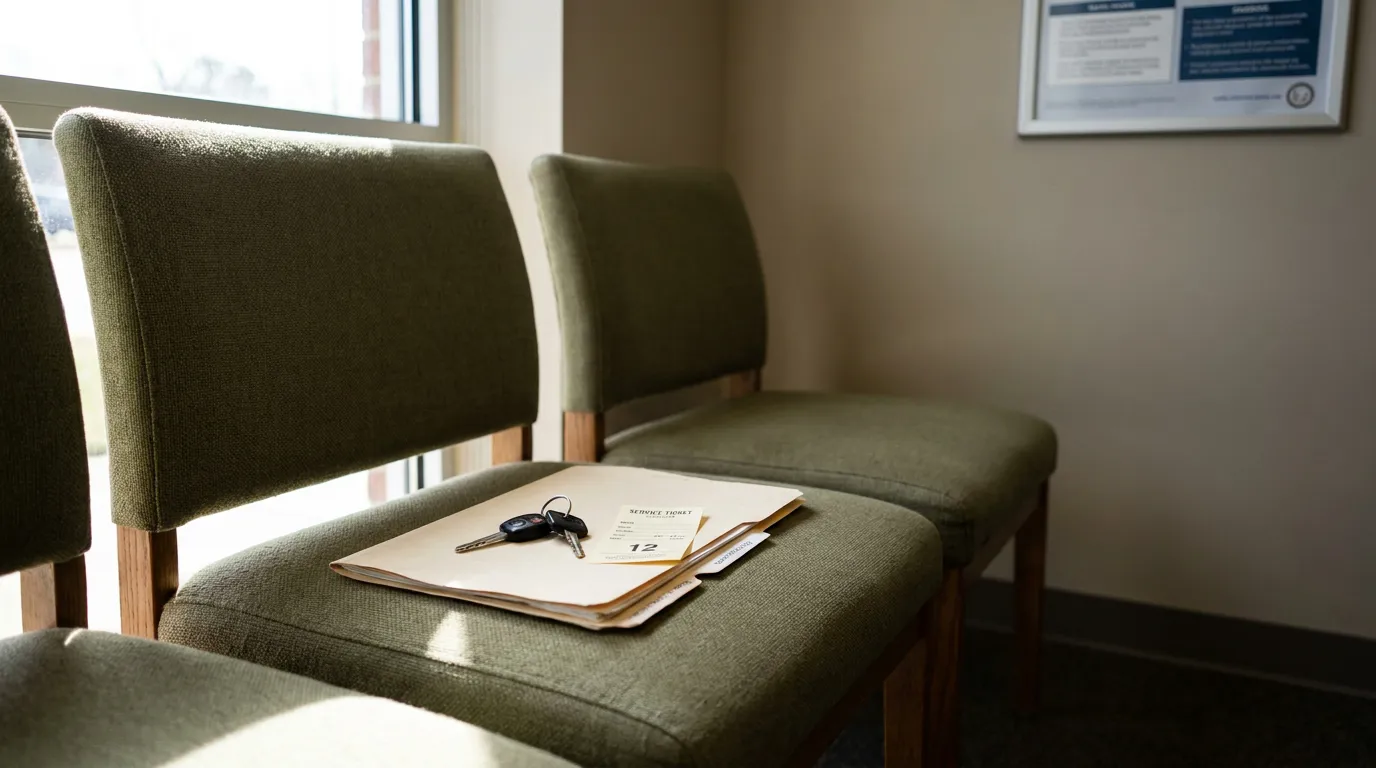
Understanding the NC Lemon Law 4 Repair Attempts Standard
Four failed repairs for the same defect is the benchmark North Carolina uses to presume the manufacturer has had enough chances. Under the statute, a reasonable number of attempts is presumed when the same nonconformity has been presented for repair four or more times and continues to exist, or when the vehicle has been out of service for a cumulative total of 20 or more business days during any 12-month period of the warranty term. The NC lemon law 4 repair attempts threshold is a rebuttable presumption, and a consumer may prove a reasonable number of attempts on other facts.
According to the North Carolina Department of Justice guidance on the state’s lemon law protections, manufacturers must repair defects affecting the use, value, or safety of a new motor vehicle within the first 24 months or 24,000 miles, whichever comes first.
Which Vehicles the Statute Covers
North Carolina’s lemon law generally applies to new passenger cars, pick-up trucks, motorcycles, and most vans bought in the state, subject to statutory weight limits and exclusions. Coverage extends to leased vehicles, so a lessee’s service visits are counted the same way. Used vehicles and older model years generally fall outside the statute.
What Counts as a Repair Attempt on Paper
A dealer repair visit generally counts when the vehicle is presented to an authorized dealer for a warranty-covered defect and the dealer opens a repair order documenting the complaint. The repair order is the primary evidence. Several details drive whether a visit supports the count:
-
The customer complaint as written, which should reflect the actual symptom you reported
-
The technician’s diagnosis and the stated cause of the nonconformity
-
The parts replaced or software updated, plus whether the work was billed to warranty
-
The drop-off and pick-up dates, which feed the days-out-of-service calculation
-
The odometer reading, which establishes where the visit falls in the 24,000-mile window
💡 Pro Tip: Ask the service department for a printed copy of the closed repair order every visit, including visits where the technician reports “no problem found.” Those no-fault-found visits are often still documented attempts.
Same Defect Versus a New Problem
The count is defect-specific, so four unrelated repairs generally do not satisfy the presumption. A recurring electrical fault, repeating check-engine condition, or transmission that keeps being reflashed may qualify as the same nonconformity even when the dealer tries different fixes each time. Whether two symptoms describe one nonconformity is often contested and may turn on technician notes, diagnostic trouble codes, and testimony.
Consumer notes, photos, and video of the symptom may support your claim, helping explain intermittent conditions and ensure accurate descriptions at each visit.
The Defect Does Not Have to Strand You
A qualifying vehicle defect in North Carolina need not keep you from driving the car. State consumer guidance notes that issues such as faulty air conditioning or peeling paint could be considered defects when covered by warranty and substantially impairing use, value, or safety.
The statutory test asks whether the nonconformity substantially impairs the vehicle’s use, value, or safety, and the statute excludes defects resulting from abuse, neglect, or unauthorized modification.
Written Notice Turns the Count Into a Remedy
Reaching four attempts does not by itself produce a buyback. For the presumption to apply, the manufacturer must have received written notification of the defect from or on behalf of the consumer and been given an opportunity to cure it. Notice should generally go directly to the manufacturer at the address listed in the warranty booklet or owner’s manual.
The repair obligation under N.C.G.S. § 20-351.2 requires the manufacturer or dealer to repair any nonconformity reported within 24 months or 24,000 miles of original delivery, or during the term of the express warranty, whichever is greater. Separately, the replacement or refund remedy under § 20-351.3 applies to defects occurring within 24 months or 24,000 miles of original delivery, whichever comes first. Once the repair obligation is triggered, the manufacturer must make the repair free of charge, even if the actual work happens after the warranty expires.
Common Missteps That Weaken a Strong Repair History
Owners with genuinely qualifying repair records sometimes damage their own claims through avoidable paperwork gaps. Skipping the written notice step is common, followed by discarding repair orders or accepting a verbal promise instead of documentation. Another frequent problem is describing a symptom differently at each visit, which can make one continuing nonconformity look like four unrelated concerns.
Two Paths to the Presumption
|
Qualifying Route |
Threshold |
Measuring Period |
|---|---|---|
|
Repeated repair attempts |
4 or more repairs for the same defect |
Shorter of 24 months, 24,000 miles, or the warranty period |
|
Days out of service |
20 or more cumulative business days |
Any 12-month period of the warranty term |
The days-out-of-service route sometimes rescues a claim where the attempt count stalls at three. Business days are counted differently than calendar days; our discussion of North Carolina’s 20-day lemon law rule walks through how those days add up. Being given a loaner or courtesy vehicle generally does not stop the count of days your vehicle sits at the dealership for repair.
Where North Carolina Sits Compared to Other States
North Carolina’s four-attempt standard is generally stricter than several other states require. National comparisons rate North Carolina in the middle of the pack, and unlike some jurisdictions, the statute does not list a reduced attempt count for a serious safety defect.
Federal law may provide an alternative when the state threshold is not met. The Magnuson-Moss Warranty Act, 15 U.S.C. §§ 2301 to 2312, is intended to prevent manufacturers from drafting unfair warranties and make warranty suits easier for consumers to bring, and organizations tracking state lemon law rankings treat it as a parallel path.
What Happens After the Threshold Is Met
Once a reasonable number of attempts has been made and the nonconformity still is not repaired, the remedy choice generally belongs to the consumer. The statute contemplates either a comparable new replacement vehicle or a refund, with the consumer selecting between them, and the manufacturer may be entitled to a reasonable offset for the consumer’s use. Manufacturers frequently dispute whether the presumption was triggered, so repair file strength usually drives negotiations.
Jeffries Law was recognized with a BBB Award for Excellence from the Better Business Bureau in August 2026, an honor reflecting a commitment to ethics and trust in the marketplace. That standard shapes how the firm communicates with consumers about what a repair history may and may not support.
Frequently Asked Questions
1. Does a “no problem found” visit count as a repair attempt?
It often does. Courts and manufacturers may treat a documented presentation of the same complaint as an attempt, particularly where the dealer opened a repair order and the symptom later recurred.
2. Do repairs at an independent shop count toward the NC lemon law 4 repair attempts standard?
Generally no. The statute contemplates repairs by the manufacturer, its agent, or an authorized dealer. Independent work may create arguments about causation or unauthorized alteration.
3. What if my fourth repair actually fixed the problem?
The presumption is designed around a nonconformity that continues to exist after repeated attempts. If the defect is genuinely resolved and does not recur, a claim may not proceed, though a recurrence after the window closed can raise questions worth reviewing.
4. Does the lemon law definition cover leased vehicles in North Carolina?
Yes. The statute addresses leased vehicles, so a lessee’s dealer repair visits are counted under the same framework. Lease structure can affect how a refund is calculated and allocated between the lessee and lessor.
5. Do I need to file with an arbitration program first?
Possibly. Where a manufacturer maintains an informal dispute settlement procedure that complies with federal regulations, a consumer may be required to resort to it before pursuing certain remedies. Requirements vary by manufacturer, and any decision is generally not binding on the consumer.
Counting Correctly Is the First Step
What counts as a repair attempt in North Carolina comes down to documented warranty visits to an authorized dealer for the same nonconformity, tracked against a 24-month or 24,000-mile window, supported by written notice to the manufacturer and an opportunity to cure. Four failed attempts for the same defect may create the statutory presumption, and 20 cumulative business days out of service in a 12-month warranty period may offer a second route.
A stack of repair orders you cannot interpret is worth having someone review. Jeffries Law helps North Carolina purchasers and lessees of 2020-or-newer vehicles understand whether their records may support a repurchase or replacement claim. Reach the firm at 877-454-6045 or use the free case review form to get started, and learn more about the firm’s North Carolina lemon law claims work.
Disclaimer: This content is for informational purposes only and is not legal advice. Every case is unique, and results may vary. Consult an attorney about your specific circumstances.