
What Is the Texas Lemon Law 30-Day Out-of-Service Test?
Understanding Texas’s 30-Day Rule for Defective Vehicles
Key Takeaways: The Texas Lemon Law 30-day out-of-service test asks whether your qualifying vehicle has been in the shop for a cumulative total of 30 or more days within the first 24 months or 24,000 miles while a substantial defect still exists. The days need not be consecutive, but any time a comparable loaner vehicle was provided does not count toward the total, and at least two repair attempts must generally occur within the first 12 months or 12,000 miles. This standard is one of three qualifying triggers under the Lemon Law, alongside four failed repair attempts for the same defect and two failed attempts for a serious safety hazard, you only need to satisfy one. A valid claim requires a substantial defect that impairs the vehicle’s use, value, or safety. Deadlines are strict: a complaint generally must be filed within six months following the earliest of the warranty’s expiration, 24 months from delivery, or 24,000 miles, and written notice to the manufacturer is required before pursuing state-run arbitration. When a claim succeeds, Texas law provides remedies including repurchase, replacement, or repair, making detailed documentation and prompt action essential.
If your new vehicle has spent a month or more in the shop, you may be closer to a valid claim than you realize. The Texas lemon law 30 day test is one of three ways to show that a manufacturer has been given a fair chance to fix a serious defect and has failed. When your qualifying vehicle sits out of service for a cumulative total of 30 or more days within the first 24 months or 24,000 miles, and a substantial defect still exists, you may meet the threshold for relief. This article walks through how that standard works, where it fits within the broader Texas Lemon Law, and the practical steps that protect your rights.
Are you a Texas driver stuck with a defective vehicle? The team at Jeffries Law helps consumers evaluate their options. Call 877-454-6045 or reach out through our contact page to discuss your situation.
How the Texas Lemon Law 30 Day Test Actually Works
The texas lemon law 30 day test measures how long your vehicle has been unusable because of warranty repairs, not simply how long you have owned it. The standard is cumulative, so the days need not happen all at once. Under the governing rule, the vehicle is out of service for repair for a cumulative total of 30 or more days in the 24 months or 24,000 miles, whichever occurs first, following original delivery. Because timing and mileage both matter, keeping detailed records from your first repair visit is essential.
Counting Your Days Out of Service
Not every day your car is unavailable counts toward the 30-day total. According to the Texas Department of Motor Vehicles, the vehicle must be out of service for a total of 30 days or more during the first 24 months or 24,000 miles, and a substantial defect still exists. Importantly, loaner vehicles change the math. If a comparable loaner vehicle was provided while the vehicle was being repaired, that time does not count toward the 30 days. The rule excludes any period during which the manufacturer or distributor lends the owner a comparable motor vehicle while the owner’s vehicle is being repaired.
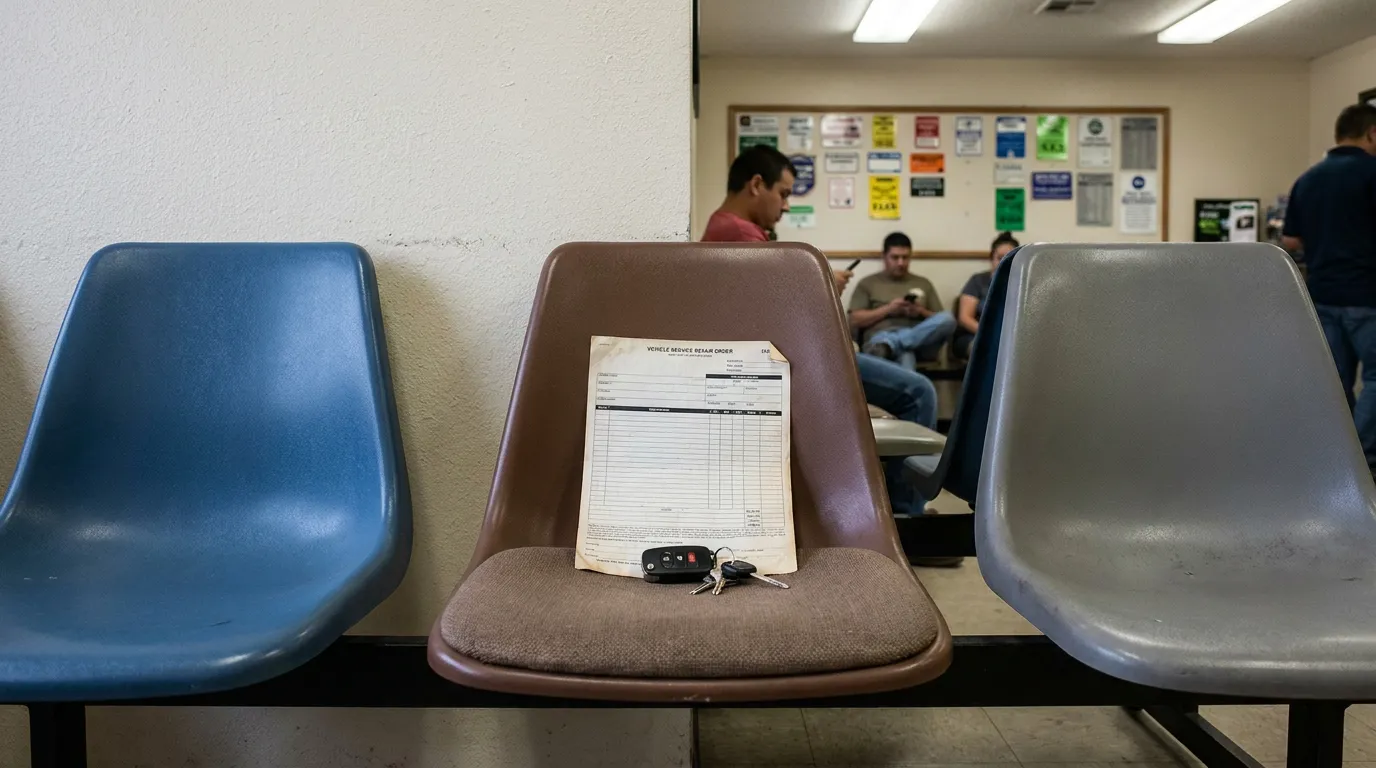
💡 Pro Tip: Save every repair order, loaner agreement, and pickup receipt. These documents show exactly when your car went in, when it came out, and whether a comparable loaner was provided.
The Two-Repair-Attempt Requirement
The 30 days out of service Texas standard is not the only condition tied to this pathway. The vehicle generally must have been the subject of repair activity early in ownership. The rule requires that at least two repair attempts were made in the 12 months or 12,000 miles following original delivery. This combination means the defect must be both serious and persistent, not a one-time inconvenience. Whether your specific facts satisfy these conditions depends on your repair history.
Where the 30-Day Test Fits in Texas Lemon Law
The 30-day rule is one of three qualifying triggers under the Lemon Law in Texas. A consumer generally may qualify through 4 unsuccessful repair attempts of a defect, 2 unsuccessful repair attempts of a serious safety hazard, or the vehicle out of service for 30 days within the shorter of 24 months or 24,000 miles from purchase, or the warranty period. The framework rests on the idea that a manufacturer must be given a reasonable number of chances to repair a warranty defect. Meeting a test creates a rebuttable presumption that a reasonable number of attempts has occurred.
The Three Qualifying Triggers
Each trigger targets a different pattern of failure, and you only need to satisfy one. The core statutory standard is set out in the Texas Occupations Code. As one state resource explains, requirements for what constitutes a reasonable number of attempts are in Section 2301.605 of the Texas Occupations Code. The three pathways are:
- Four failed repair attempts for the same substantial defect
- Two failed repair attempts for a serious safety hazard
- Thirty or more cumulative days out of service under Tex. Occ. Code § 2301.605
Because these tests overlap in practice, a single repair history may support more than one theory of Texas lemon law qualification.
What Counts as a Substantial Defect
A qualifying claim generally requires a substantial defect, not a minor annoyance. Guidance on lemon laws describes a substantial defect as a problem covered by the warranty that impairs the car’s use, value, or safety, like faulty brakes or steering. To qualify, a vehicle must generally have a substantial defect the warranty covers and not be fixed after a reasonable number of repair attempts. Common examples include engine or check-engine issues, transmission failures, electrical and infotainment malfunctions, and steering or suspension problems. If you are unsure whether your issue qualifies, our overview of how to know your car is a lemon can help you organize your thoughts.
Deadlines and Notice Requirements You Cannot Ignore
Timing is often the difference between a viable claim and a lost opportunity. Before pursuing relief, a consumer generally must give the manufacturer a chance to address the problem. The applicable rules require that the owner must provide written notice to the manufacturer, and a state-run arbitration mechanism is available. This administrative arbitration process is distinct from a civil lawsuit.
Texas also imposes a firm filing window. A lemon law complaint generally must be filed within six months following the earliest of the warranty’s expiration, 24 months from the delivery date, or 24,000 miles. As the TxDMV explains through its Texas Lemon Law complaint process, a complaint must be filed within six months following the earliest of the warranty’s expiration, 24 months from the delivery date, or 24,000 miles, and it should be filed as soon as the consumer realizes the dealer is having problems repairing the vehicle. Because the window closes on whichever occurs first, a warranty that lapses early can shorten your time.
💡 Pro Tip: Do not wait until the warranty is nearly expired. Filing early, while your Texas warranty repair visits are still fresh and documented, generally strengthens your position.
What Relief the Texas Lemon Law Provides
When a claim succeeds, Texas law contemplates meaningful remedies, including a repurchase. The Texas Lemon Law is codified in the Occupations Code and, as one state resource notes, the Texas lemon law starts at Section 2301.601 of the Texas Occupations Code, and this subchapter requires manufacturers to repurchase, replace, or repair vehicles under warranty that have serious defects. The Texas Department of Motor Vehicles enforces this law and operates a consumer assistance hotline at (888) 368-4689 or (512) 416-4800.
A Texas vehicle buyback follows specific valuation rules set by regulation. Under the state’s lemon law relief rule at 43 Tex. Admin. Code § 224.260, a refund equals the total purchase price, excluding the amount of any interest, finance charge, or insurance premiums, plus reimbursement of the filing fee. That refund is then reduced by a reasonable allowance for the owner’s use of the vehicle. The full text of the lemon law relief rule was adopted in 2024 and took effect June 1, 2024. Actual outcomes depend on your specific facts.
Frequently Asked Questions
1. Do the 30 days have to be consecutive?
No, the days are cumulative. The vehicle must be out of service for a total of 30 or more days within the first 24 months or 24,000 miles, and those days may be spread across multiple repair visits as long as a substantial defect still exists.
2. Does a loaner car affect my day count?
Yes, it generally reduces your total. Days when the manufacturer or distributor provides a comparable loaner vehicle while yours is being repaired do not count toward the 30-day threshold.
3. What if my problem is a minor cosmetic issue?
Minor issues usually do not qualify. The law generally targets a substantial defect that impairs the vehicle’s use, value, or safety, such as steering or braking failures, rather than small inconveniences.
4. Is arbitration the same as filing a lawsuit?
No, they are separate paths. Texas offers a state-run arbitration mechanism through the TxDMV, which is distinct from a civil lawsuit, and written notice to the manufacturer is generally required before pursuing relief.
5. How quickly should I act on a Texas lemon law claim?
As soon as you suspect a pattern. Because a complaint generally must be filed within six months following the earliest of the warranty’s expiration, 24 months from delivery, or 24,000 miles, prompt action helps preserve your options.
Protecting Your Rights Under the Lemon Law in Texas
The 30-day out-of-service standard gives Texas consumers a clear, records-based way to hold manufacturers accountable for vehicles that cannot be repaired. By tracking your days out of service, confirming that a substantial defect still exists, and respecting the notice and filing deadlines, you position yourself to pursue a repurchase, replacement, or other relief. Every case turns on its own facts, so the strength of a Texas lemon law claim depends on your documentation and timing. A knowledgeable Texas lemon law attorney can help you evaluate whether your repair history meets the statutory thresholds.
If your vehicle keeps returning to the shop for the same serious problem, do not navigate the process alone. Call the Jeffries Law team at 877-454-6045, send a message through our Texas lemon law claim contact form, or review our guide on spotting a lemon vehicle to take the next step toward protecting your rights.