
When a Dangerous Defect Returns After the Dealer Says It Is Fixed
Key Takeaways: When a dangerous defect comes back after a dealer repair, Ohio Rev. Code § 1345.73(A)(4) may presume the manufacturer has had a reasonable number of repair chances after just one failed attempt, as long as the defect is likely to cause death or serious bodily injury if the vehicle is driven. This presumption generally covers only problems within one year of original delivery or the first 18,000 miles, whichever comes first. You can also reach the presumption through three or more attempts on the same defect, 30 or more calendar days out of service, or eight or more total repair attempts. Your next steps are to stop driving if the vehicle feels unsafe, return to an authorized dealer promptly, get and check a repair order for every visit, and save receipts for towing, rentals, meals, and lodging. You generally make claims against the manufacturer, not the dealer. Remedies can include a replacement vehicle, a full refund plus incidental damages, or a negotiated settlement. BBB AUTO LINE offers a free, informal arbitration option, and an attorney can help if the manufacturer disputes your claim.
When a dangerous defect comes back after a dealer repair, Ohio law may give you strong rights against the manufacturer, sometimes after only one failed repair attempt. Brakes that fade, steering that locks, or a vehicle that stalls in traffic are not minor problems. Under Ohio Rev. Code § 1345.73(A)(4), if a defect is likely to cause death or serious bodily injury if the vehicle is driven, and it continues or recurs after at least one repair attempt, the law may presume the manufacturer has had a reasonable number of chances to fix it. That presumption applies only within certain time and mileage limits, so acting quickly and keeping good records matters.
If your new vehicle keeps going back to the shop for the same unsafe problem, you may not have to handle it alone. Jeffries Law works with Ohio drivers whose vehicles have dangerous recurring defects. Our Ohio lemon law serious safety defect lawyer team can review your repair history and explain your options. Call 877-454-6045 or contact us now to discuss your situation.
How the Ohio Lemon Law Serious Safety Defect Presumption Works
Ohio’s lemon law treats safety defects differently from most other problems. For many defects, the presumption generally requires three or more repair attempts on the same problem. A dangerous defect may reach that point after a single failed attempt.
The One-Attempt Rule for Life-Threatening Defects
The Ohio lemon law presumptions in Ohio Rev. Code § 1345.73(A)(4) apply when the dealer made at least one repair attempt on a nonconformity that is likely to cause death or serious bodily injury if the vehicle is driven. The defect must also continue or come back after the repair. Whether a specific defect meets that standard depends on the facts, and manufacturers may dispute how serious a problem is.
Other Paths to the Presumption
A repeat vehicle defect may also qualify under Ohio Rev. Code § 1345.73(A)(1)-(3). These options can help when a manufacturer argues that your problem is not truly dangerous.
| Presumption Trigger | Statute | What It Requires |
|---|---|---|
| Serious safety defect | § 1345.73(A)(4) | At least 1 repair attempt; defect continues or recurs |
| Same defect, repeated | § 1345.73(A)(1) | 3 or more attempts on the same nonconformity; defect continues or recurs |
| Days out of service | § 1345.73(A)(2) | Out of service for repairs for a total of 30 or more calendar days |
| Total repair attempts | § 1345.73(A)(3) | 8 or more total attempts to repair any nonconformities |
These triggers are presumptions, not guarantees. The manufacturer can still try to rebut a presumption. Even if none applies, you may still be able to show that the manufacturer had a reasonable number of attempts.
The Time and Mileage Window You Need to Know
The presumption generally applies only to repair attempts or days out of service within one year after original delivery or the first 18,000 miles, whichever comes first. Ohio Rev. Code § 1345.73(A) sets this window. If repair attempts happen later, the presumption may not apply, although you could still have other warranty rights.
Reporting the defect within that period can help protect your right to repairs. Under Ohio Rev. Code § 1345.72(A), if you report a nonconformity within the first year or 18,000 miles, the manufacturer, its agent, or its authorized dealer must make the repairs needed to bring the vehicle in line with the express warranty, even if the repairs happen after the period ends. Waiting to report a warning light or strange noise can cause problems later.
Ohio law may also extend these periods in limited cases. Under Ohio Rev. Code 1345.73(B)(1), the time periods described in division (A) may be extended for any time the vehicle could not reasonably be repaired due to war, invasion, civil unrest, strike, fire, flood, or natural disaster.
💡 Pro Tip: Each time a dangerous defect comes back, write down the date and the odometer reading. Mileage can decide whether you have passed the 18,000-mile limit.
Your Next Steps After a Failed Dealer Repair
A failed dealer repair on a safety problem calls for a clear plan. Consider the following:
- Stop driving if the vehicle feels unsafe. Your safety comes first. Have the vehicle towed to the dealer if needed and keep the receipt.
- Return to an authorized dealer promptly. Describe the symptom clearly and confirm that it is the same problem as before.
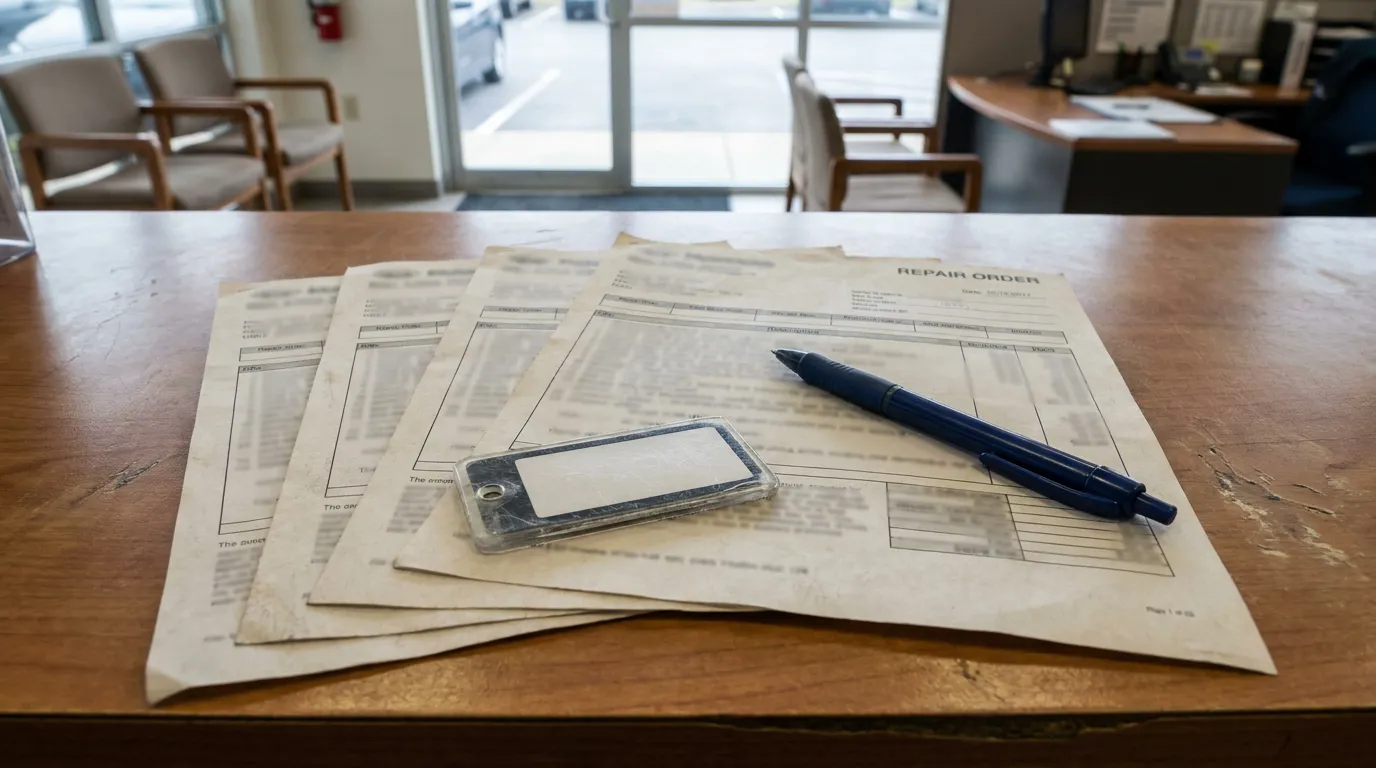
- Get a repair order for every visit. Repair orders are the main evidence in a lemon law claim. Ask for a copy every time, even if the dealer says it "could not duplicate" the problem.
- Review each repair order before leaving. Check that it lists your complaint, the dates, and the mileage correctly, and ask the service advisor to fix mistakes.
- Keep your own notes. Notes about dates, symptoms, and conversations can support the repair records, but do not replace them.
- Save receipts for related costs. You may be able to recover towing, rental car, meal, and lodging costs as incidental damages.
Why the Dealer Is Not the Target
Ohio’s lemon law generally places responsibility on the manufacturer, not the dealer. Ohio Rev. Code § 1345.72(C) states that nothing in that section makes a new motor vehicle dealer liable or gives you a right to sue the dealer. You may have separate claims against a dealer under other laws in some cases.
What Remedies May Be Available for an Unsafe Vehicle Defect
If the manufacturer cannot fix the defect after a reasonable number of attempts, Ohio law lets you choose the remedy. Under the new motor vehicle warranty statute, Ohio Rev. Code § 1345.72(B), the manufacturer must, at your option, either replace the vehicle with a new one you accept or take the vehicle back and refund the full purchase price plus incidental damages. This remedy applies only if the defect substantially impairs the vehicle’s use, value, or safety.
Incidental damages can add up, so track them carefully. Under Ohio Rev. Code § 1345.72(B)(2), they may include lender or lessor fees for making or canceling a loan or lease, as well as costs caused by the defect, such as towing, rental cars, meals, and lodging. Without receipts, these costs can be hard to prove.
Some claims end in a negotiated cash settlement rather than a buyback or replacement. The result depends on the vehicle, the defect, the repair history, and how the manufacturer responds. No one can promise a specific outcome.
Arbitration and Other Common Challenges
BBB AUTO LINE is a state-certified program that handles Ohio lemon law disputes for participating manufacturers. It offers a free, informal alternative to court. The process generally includes an application, a manufacturer response, a hearing, and a decision. Arbitration is separate from a lawsuit, and its rules and effects differ.
Manufacturers often push back on recurring defect claims. They may say the problem is "normal operation," that the dealer could not reproduce it, or that it is not serious enough to count as a safety risk. Clear repair orders showing the same complaint again and again can help answer these arguments.
💡 Pro Tip: If a dealer says it cannot find the problem, ask for a repair order anyway. A visit that records your complaint may still count in your repair history.
Frequently Asked Questions
1. Does one failed repair really make my car a lemon in Ohio?
It may, if the defect is likely to cause death or serious bodily injury if the vehicle is driven, and it continues or recurs. Ohio Rev. Code § 1345.73(A)(4) may create a presumption after just one repair attempt in that case, within the one-year or 18,000-mile period. The manufacturer may still dispute whether the defect meets that standard.
2. What if the defect first appeared after 18,000 miles?
The presumption generally covers problems within one year of delivery or 18,000 miles, whichever comes first. If your problem started later, the presumption may not apply. You may still have other warranty rights, such as the manufacturer’s express warranty or federal warranty law.
3. Can I sue the dealership under Ohio’s lemon law?
Generally, no. Ohio Rev. Code § 1345.72(C) states that the lemon law does not give you a right to sue a new motor vehicle dealer. You make lemon law claims against the manufacturer.
4. Do I have to use BBB AUTO LINE before taking other action?
It depends. Under Ohio Rev. Code § 1345.77, if the manufacturer has set up a qualified informal dispute program, you generally must use it before claiming a refund or replacement. An attorney can help you understand how arbitration fits with your other options.
5. What records matter most?
Dealer and manufacturer repair orders are the most important evidence. Receipts for towing, rentals, meals, and lodging also matter, and your own notes about dates and mileage can support these records.
Protecting Yourself When Safety Is on the Line
A dangerous defect that keeps coming back is both a safety risk and a possible legal claim. The Ohio lemon law serious safety defect presumption may apply after a single failed repair, but only within the one-year or 18,000-mile window. Reporting problems quickly, getting repair orders for every visit, and saving receipts can put you in a stronger position to seek a replacement, refund, or settlement.
You do not have to accept "we couldn’t find anything" when your vehicle feels unsafe. Jeffries Law helps Ohio drivers understand their rights, including what to do when a manufacturer claims a recurring glitch is normal. Call 877-454-6045 or schedule your free case review to talk about your next steps.
Disclaimer: This content is for informational purposes only and is not legal advice. Every case is unique, and results may vary. Consult an attorney about your specific circumstances.