
How Manufacturer Repair Guidance Can Strengthen Your Ohio Vehicle Defect Case
Key Takeaways: A technical service bulletin (TSB) is an internal notice a manufacturer sends to its franchised dealers describing a known defect pattern and instructing technicians how to diagnose and repair it. In an Ohio lemon law claim, a TSB can show the automaker already recognized the same problem you keep reporting, making "no defect found" responses and abuse or misuse defenses harder to sustain. TSBs are not recalls, are not mentioned in Ohio Rev. Code §§ 1345.71 through 1345.78, and are not a required element of a claim. Dealer repair orders remain the primary evidence, since they typically establish the repair attempts and days out of service that trigger the statutory presumption in Ohio Rev. Code § 1345.73. Consistent symptom descriptions, verbatim complaint language, loaner and rental receipts, and warranty paperwork can all strengthen your file. Gathering complete records at each service visit generally puts you in a stronger position before a claim is ever filed.
A technical service bulletin is a written notice a manufacturer sends to its franchised dealers describing a known defect pattern and instructing technicians how to diagnose and repair it. In an Ohio lemon law claim, a TSB matters because it can show the manufacturer already recognized the problem you keep bringing to the service department, undercutting arguments that your complaint is imaginary, isolated, or self-caused. TSBs are not recalls and aren’t mentioned in Ohio’s lemon law statute, but they frequently appear in repair orders and case files as evidence of a known defect.
If your 2020-or-newer vehicle keeps returning to the shop for the same issue, the team at Jeffries Law can review your repair history and any applicable bulletins. Call 877-454-6045 or reach out through our contact page to discuss your situation.
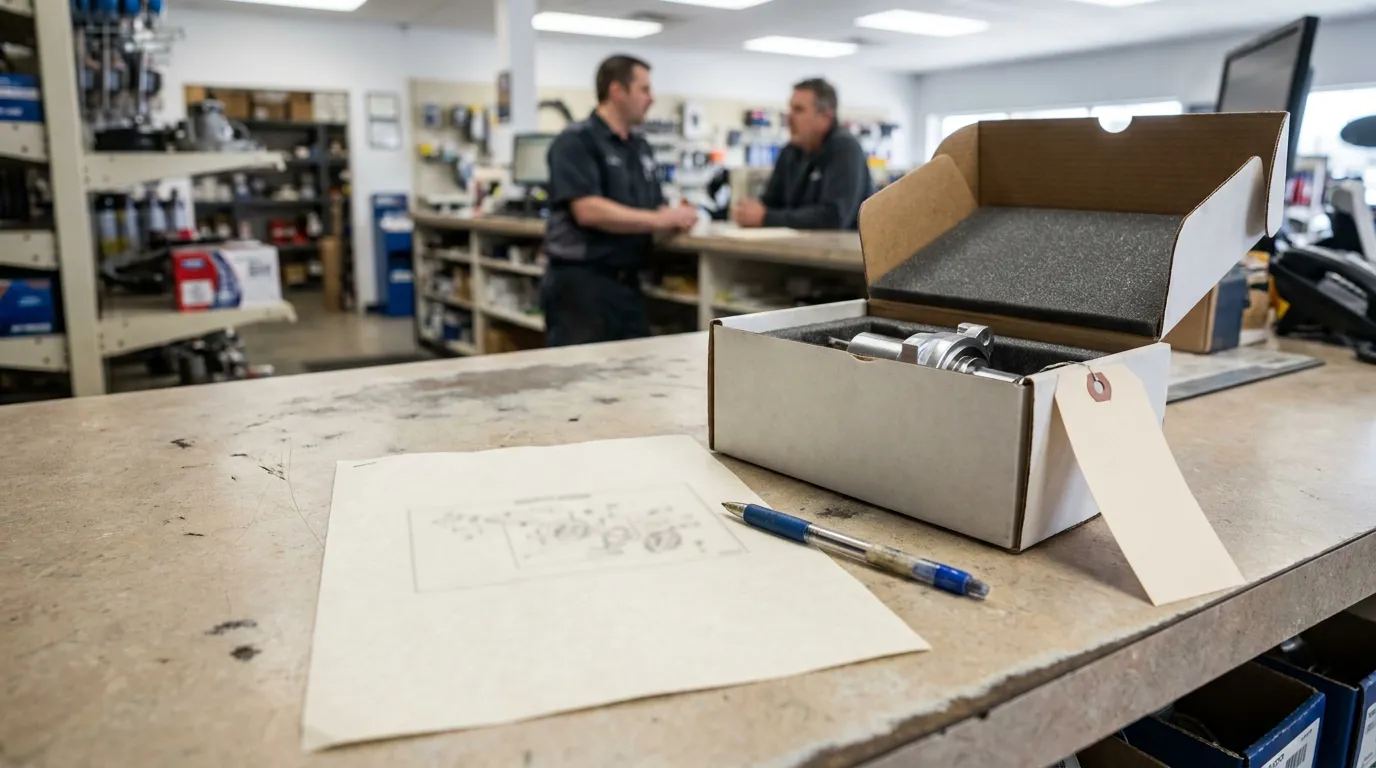
The TSB Definition Every Ohio Vehicle Owner Should Understand
A technical service bulletin is an internal manufacturer-to-dealer communication, not a public safety notice. Automakers issue bulletins when warranty claims, field reports, and engineering data reveal a component or software module failing across a run of vehicles. The bulletin typically identifies affected model years, describes the symptom in the manufacturer’s own language, and provides a repair procedure, updated part number, or software flash.
The practical difference between a TSB and a recall can matter a great deal. A recall generally involves a safety-related defect or noncompliance with federal safety standards and typically triggers notification obligations and a free remedy. A bulletin, by contrast, is dealer repair guidance many owners never see unless they look for it. Your dealer may perform a TSB repair under warranty without ever mentioning the bulletin existed.
Where TSBs Show Up in Your Paperwork
Repair orders sometimes reference a bulletin by number, and that reference is worth preserving. Look for alphanumeric codes, phrases like "per bulletin" or "performed campaign," or descriptions of a software update tied to your complaint. Not every dealer notes the bulletin, and its absence doesn’t necessarily mean none applied to your vehicle.
Why a Technical Service Bulletin Lemon Law Claim Argument Can Carry Weight
Ohio’s lemon law turns on whether your vehicle has a "nonconformity," and a bulletin may help establish that element. The statutory scheme lives in Chapter 1345 of the Ohio Revised Code, housing the Consumer Sales Practices Act along with the lemon law provisions at Ohio Rev. Code §§ 1345.71 through 1345.78. Section 1345.71(E) defines a nonconformity as any defect or condition that substantially impairs the use, value, or safety of the vehicle and does not conform to the express warranty. When a manufacturer has already circulated written instructions acknowledging the same symptom in the same model, that document may support the argument that what you experienced is a genuine defect rather than normal operating characteristics.
Manufacturers commonly defend these cases by disputing that a defect exists at all, often claiming the technician could not duplicate the concern. Evidence that the automaker issued repair guidance for that exact symptom may make the "no defect found" position harder to sustain, though outcomes always depend on the specific facts and how closely the bulletin matches your vehicle’s configuration and symptoms.
Countering Affirmative Defenses With Documentation
Ohio law gives manufacturers a specific affirmative defense, and bulletins can be relevant to rebutting it. Under Ohio Rev. Code § 1345.75(D), it is an affirmative defense that the nonconformity resulted from abuse, neglect, or the unauthorized modification or alteration of a motor vehicle by anyone other than the manufacturer, its agent, or its authorized dealer. You can review the related affirmative defense provisions and repair-attempt presumptions in the statutory text. A manufacturer-authored document describing the same failure across thousands of vehicles may be inconsistent with a claim that one owner caused it through misuse, subject to the evidence in each case.
💡 Pro Tip: Request a complete copy of every repair order at the time of service, before you leave the dealership. Requesting records months later often produces abbreviated summaries that omit technician notes and bulletin references.
Repair Records Remain the Foundation of Your Ohio Lemon Law Claim
A bulletin may support your case, but dealer and manufacturer repair orders are generally the primary evidence. Ohio’s lemon law requires that the manufacturer or its authorized dealer be given a reasonable number of attempts to correct a nonconformity arising within one year of delivery or the first 18,000 miles, whichever is earlier. Ohio Rev. Code § 1345.73 creates a presumption that a reasonable number of attempts has been made where, within that period, substantially the same nonconformity was repaired three or more times and continues, the vehicle was out of service 30 or more cumulative days, there were eight or more repair attempts for any nonconformity, or one attempt was made for a nonconformity likely to cause death or serious injury and the problem persists. These thresholds are typically documented through the service department’s own records rather than a bulletin alone.
Your personal notes and photographs generally serve a supplementary role. A dated log of symptoms, mileage, and service dates can help you and your attorney organize the timeline and identify gaps in the official file. Still, dealership repair orders typically carry the evidentiary weight, so obtaining a complete set is generally a first priority.
| Document Type | Primary Function | Typical Weight in a Claim |
|---|---|---|
| Dealer repair orders | Establish repair attempts and days out of service | Primary evidence |
| Technical service bulletin | Shows manufacturer awareness of a known defect pattern | Supporting evidence |
| Warranty and purchase documents | Confirm coverage and protection period | Foundational |
| Consumer log and photos | Organizes timeline, identifies record gaps | Supplementary |
Counting Repair Attempts Correctly
The number of visits and how they are characterized often becomes a central dispute. Two visits described differently in the paperwork may or may not count as attempts for the same nonconformity, depending on how the complaint is documented. Even if the statutory presumption isn’t triggered, a consumer may still try to prove a reasonable number of attempts was made. If unsure whether your visits meet the threshold, our discussion of 3 repair attempts in Ohio walks through how these visits are typically evaluated.
Practical Steps for Building Vehicle Defect Documentation
Strong vehicle warranty repair documentation is usually assembled before a claim is filed, not after. Consider these steps as your repair history develops:
- Describe your symptom to the service advisor in consistent language at every visit so the written complaint lines up across repair orders.
- Ask that your stated concern be recorded verbatim rather than paraphrased.
- Keep every loaner agreement and rental receipt, since these may help corroborate days out of service.
- Save any service department communication referencing a software update, campaign, or bulletin number.
- Retain your purchase or lease agreement and the full warranty booklet.
💡 Pro Tip: If a dealer performs a software update that temporarily resolves your symptom and it returns, treat the return visit as a continuation of the same issue and say so explicitly at check-in.
Where Ohio Consumer Protection Resources Fit In
State and county agencies publish guidance that can help you understand the framework before you speak with counsel. The Ohio Attorney General’s office maintains consumer information on the lemon law and accepts complaints, and Cuyahoga County’s Consumer Affairs division publishes an accessible explanation of Ohio’s Lemon Law for residents, describing the same statutory standard of a defect substantially impairing use, value, or safety.
Administrative complaint processes and informal dispute resolution programs are generally distinct from a civil lawsuit. Filing a complaint with a state agency generally does not preserve or extend any civil deadline, and if the manufacturer has an informal dispute resolution mechanism complying with federal regulations, you may need to use it before pursuing certain remedies. Ohio Rev. Code § 1345.75(C) generally requires a lemon law action be brought within five years of original delivery, but deadline questions, including possible exceptions, should be evaluated against the specific statutory language and facts of your purchase, since courts generally construe exceptions to filing deadlines narrowly.
Frequently Asked Questions
1. Can I win an Ohio lemon law claim without a TSB?
Potentially, yes. A bulletin may be helpful supporting proof, but it’s not a statutory element. Ohio’s lemon law focuses on whether a nonconformity substantially impairs use, value, or safety and whether the manufacturer had a reasonable number of repair attempts, both generally shown through repair orders.
2. Does a TSB mean the manufacturer must repair my vehicle for free?
Not necessarily. A bulletin is repair guidance, not a warranty extension. Coverage generally depends on your warranty terms, mileage, and time in service, though repairs for covered defects performed during the warranty period are commonly free.
3. How do I find out if a bulletin applies to my vehicle?
Bulletin summaries are publicly searchable through federal safety databases by year, make, and model, and full text is sometimes available through subscription services. An attorney reviewing your claim can often obtain the complete bulletin and compare it against your repair history.
4. What if the dealer never mentioned a bulletin existed?
That’s common and generally doesn’t weaken your position. Bulletins are typically internal dealer communications, and there’s generally no legal duty to disclose them the way federal law requires safety recall notices. The repair order contents generally control what was reported and performed.
5. Does my vehicle’s age or model year matter?
It can. Ohio’s lemon law protection period generally runs for one year after delivery or the first 18,000 miles, whichever comes first, and coverage questions are fact-specific. Our firm reviews claims involving vehicles of model year 2020 or newer.
Putting the Pieces Together Before You Act
A technical service bulletin can be meaningful lemon law evidence because it may reflect the manufacturer’s own acknowledgment of a recurring problem. It generally works best alongside a complete set of dealer repair orders showing repeated attempts to fix the same nonconformity, consistent symptom descriptions, and documentation of days out of service. Ohio’s statutory framework under Ohio Rev. Code §§ 1345.71 through 1345.78 sets the standards, and whether your facts satisfy those standards depends on details that deserve individual review. Gathering your paperwork early generally puts you in a stronger position, whatever path your claim ultimately takes.
If you believe your vehicle has a defect the manufacturer already knew about, Jeffries Law is ready to review your records. Call us at 877-454-6045, visit our Ohio lemon law attorneys resource list for background on state consumer statutes, or schedule your case review to get started.
Disclaimer: This content is for informational purposes only and is not legal advice. Every case is unique, and results may vary. Consult an attorney about your specific circumstances.