
Understanding the Mileage Window That Shapes Your North Carolina Lemon Law Claim
Key Takeaways: North Carolina’s Lemon Law ties its core protections to a statutory window that closes at the earlier of 24 months from original delivery, 24,000 miles of operation, or expiration of the express warranty term. That 24,000-mile limit, referenced in N.C. Gen. Stat. § 20-351.3, marks one boundary for reporting a nonconformity to trigger the law’s rebuttable presumption that the manufacturer had a reasonable number of repair attempts, four or more repairs of the same defect within that window, or 20+ cumulative business days out of service during any 12-month portion of the warranty term. It is not a hard cutoff on all legal rights, since consumers outside the window may still pursue written or federal warranty theories under different standards. The clock starts at delivery, so high-mileage drivers may reach the mileage cap long before the 24-month deadline expires. The statute also conditions the presumption on written notification to the manufacturer and an opportunity to cure, so detailed repair orders with dates and odometer readings, plus proof of notice, are often the most important evidence. Qualifying vehicles may be eligible for a replacement or refund of the purchase price plus collateral charges, less a statutory offset for use.
The 24,000-mile limit is part of the statutory eligibility window in North Carolina’s Lemon Law. Under the New Motor Vehicles Warranties Act, a defect must generally be reported within 24 months of original delivery, within the first 24,000 miles, or during the express warranty term, whichever comes first. This figure can determine whether a consumer may rely on the law’s presumption that a manufacturer had a fair chance to fix the problem and failed.
If your new or nearly-new vehicle keeps returning to the shop for the same defect, Jeffries Law can review your repair history and explain your options. Call 877-454-6045 or reach out to our team today to discuss where your vehicle stands.
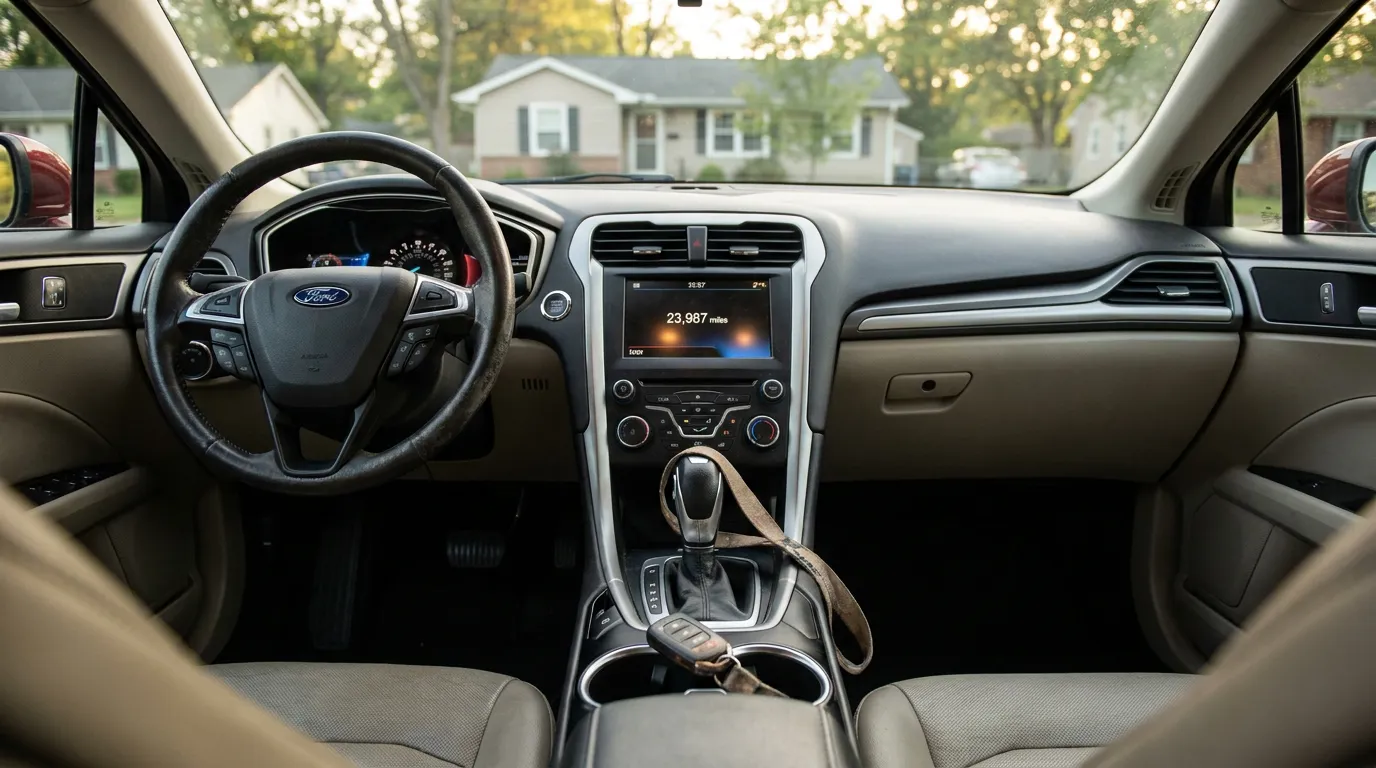
What the NC Lemon Law 24000 Mile Limit Actually Means
The mileage limit marks one boundary of the reporting period that triggers the statute’s protections. Article 15A of Chapter 20 ties the core presumption to the earlier of 24 months from original delivery, the first 24,000 miles, or the end of the express warranty term. Whichever milestone arrives first closes the window.
Many consumers misread this as a hard cutoff on all legal rights, which it is not. The 24,000-mile figure is one threshold for the statutory presumption of a reasonable number of repair attempts, making it easier to pursue a replacement or refund. Consumers outside the window may still have claims under written warranty terms or federal warranty law, though those paths follow different, fact-dependent standards.
How the Clock Starts and Stops
The clock begins on the date of original delivery to the consumer, not the model year or manufacture date. A vehicle delivered in March starts its 24-month count from that date, and its mileage count from the delivery odometer reading. Demonstrator or dealer-trade mileage can complicate this, so delivery paperwork matters.
High-mileage drivers may hit the mileage cap long before the time limit expires. A commuter driving 1,500 miles per month can cross 24,000 miles in roughly 16 months, meaning the reporting window may close at the odometer reading rather than the calendar date, one reason NC Lemon Law mileage tracking deserves attention from day one.
The Repair-Attempt Presumption Inside the Window
North Carolina law creates a rebuttable presumption that a manufacturer had a reasonable number of repair attempts under two scenarios: the same nonconformity repaired four or more times within the window, or the vehicle out of service for 20+ cumulative business days during any 12-month portion of the warranty term. Either scenario also generally requires written notification to the manufacturer and a further opportunity to correct the defect. The North Carolina Department of Justice explains these thresholds in its Lemon Law guidance.
Because the presumption is rebuttable, manufacturers often contest it, arguing the defect doesn’t substantially impair use, value, or safety, that repairs addressed different problems, or that out-of-service time or notice isn’t established by the records. Outcomes depend heavily on the specific repair records and nature of the defect.
Why Repair Orders Carry the Weight
Dealer and manufacturer repair orders are often the primary evidence in a claim. Each visit should generate a written order showing date in, date out, stated concern, diagnosis, and odometer reading, entries that help establish whether each attempt fell inside the 24,000-mile window.
Your own records support the paper trail rather than replace it. A simple log of loaner dates, towing events, and calls can help reconstruct the timeline when repair orders are incomplete. Ask for a printed copy of every repair order before leaving, even for "no problem found" visits.
💡 Pro Tip: Request a full warranty repair history printout from the dealer’s service department. It often captures visits you forgot and confirms mileage at each one.
Nonconformity, Substantial Impairment, and Coverage Limits
Not every annoyance qualifies as a nonconformity under Article 15A. The statute reaches defects that substantially impair use, value, or safety and are covered by the manufacturer’s express warranty. Cosmetic complaints, normal wear, and problems from consumer abuse or unauthorized modification generally fall outside the Act.
Defect categories that commonly support claims tend to keep a vehicle off the road: persistent engine and check-engine faults, transmission slipping or harsh shifting, electrical and infotainment failures, steering and suspension problems, and water leaks. These tend to generate the repair-attempt counts the statute addresses, assuming the condition rises to substantial impairment.
- Repeated stalling, misfires, or recurring check-engine illumination
- Transmission hesitation, shudder, or failure to engage gears
- Electrical gremlins affecting safety systems, lighting, or driver-assist features
- Steering pull, vibration, or suspension noise that returns after repair
- Water intrusion causing interior damage, odor, or electronic malfunction
Reporting Versus Resolving
The statute focuses on when the nonconformity is reported, not when it’s finally resolved. A defect reported at 23,400 miles may still support a claim even if repairs continue past 24,000 miles, depending on the facts and documentation. This distinction is often misunderstood and can be the difference between a viable claim and a closed door.
Timing arguments are fact-sensitive and evaluated case by case. Consumers shouldn’t assume any extension applies automatically, since separate statutes of limitation also apply. If your odometer is approaching the cap while a defect remains unresolved, prompt written notice to the manufacturer is generally the safer course.
Remedies Available When a Vehicle Qualifies
When a manufacturer cannot conform the vehicle to warranty after reasonable repair attempts, the Act contemplates a replacement or refund, generally at the consumer’s election. A refund includes the purchase price plus specified collateral and finance charges, subject to a statutory mileage-based offset for use. A North Carolina vehicle buyback may resolve the matter by unwinding the transaction rather than continuing an endless repair cycle.
Manufacturers frequently propose alternatives before any formal buyback, cash-and-keep settlements, extended service contracts, or trade assistance. Whether these serve a particular consumer depends on the vehicle’s condition, remaining warranty, and the strength of the documented repair history.
| Statutory Trigger | Threshold | Measuring Period |
|---|---|---|
| Same nonconformity repaired repeatedly | Four or more attempts | Earlier of 24 months, 24,000 miles, or warranty term |
| Vehicle out of service for repair | 20 or more cumulative business days | Any 12-month portion of the express warranty term |
| Defect reporting deadline | Must be reported within window | 24 months from delivery, 24,000 miles, or warranty term, whichever is earlier |
Written Notice to the Manufacturer
North Carolina’s framework requires written notice to the manufacturer, a step separate from simply visiting the dealership. Dealer visits create the repair record, but the presumption also generally requires written notification to the manufacturer and a further opportunity to correct the issue. Sending notice by a trackable method creates proof of delivery.
Some manufacturers operate informal dispute settlement programs, and participation rules vary by brand. Where a qualifying program exists, a consumer may be required to use it before filing suit. Reviewing your warranty booklet can clarify whether a program applies.
💡 Pro Tip: Photograph your odometer each time you drop the vehicle off. A dated image alongside the repair order strengthens your NC Lemon Law eligibility timeline.
Practical Steps for Protecting Your Position
Consumers who act early inside the window may preserve more options than those who wait. Report the defect in writing at first occurrence, describe symptoms specifically, and insist your stated concern appears verbatim on the repair order. Vague descriptions can make it harder later to show four visits addressed one recurring nonconformity.
Understanding the NC Lemon Law basics before your mileage climbs may put you in a stronger negotiating posture. Our lemon law resources cover documentation practices, defect categories, and typical manufacturer negotiations. Free information is also available through statewide legal aid channels.
The lemon law mileage cap NC imposes can be unforgiving once crossed, so tracking matters. Note your odometer at delivery, at each service visit, and when you first notice a symptom, numbers an NC Lemon Law attorney will generally review early on.
Frequently Asked Questions
1. Does the NC Lemon Law 24000 mile limit end my rights the moment I pass it?
Not necessarily. It generally closes one part of the window for the statutory presumption, but defects reported inside the window may still support a claim even if repairs continue afterward. Other warranty-based theories may apply in limited circumstances, depending on your specific facts.
2. What counts as being out of service for 20 business days?
Days generally refer to time at an authorized repair facility for warranty work, excluding weekends and holidays. They need not be consecutive, since the statute addresses a cumulative total during any 12-month portion of the warranty term. Repair orders showing date in and date out are typically the primary proof.
3. Do leased vehicles receive the same 24000 miles lemon law NC protection?
Lessees of new vehicles are generally treated as consumers under Article 15A, subject to the same reporting window and repair-attempt thresholds. Lease structures affect how a refund or buyback is calculated and allocated between lessee and lessor. Reviewing the lease alongside the repair history clarifies the picture.
4. Do the four repair attempts have to be for the identical problem?
Generally yes, the presumption applies to the same nonconformity repaired four or more times. Manufacturers often argue separate diagnoses mean separate problems, which is why consistent symptom descriptions on each repair order matter.
5. What if the dealer says no problem was found?
That visit may still count as a repair attempt if a repair order documents the vehicle was presented for that defect. Ask for the paperwork even when the technician can’t replicate the issue, and record the conditions under which the defect appears to help the next technician reproduce it.
Where the Mileage Window Leaves You
The 24,000-mile threshold pairs with the 24-month deadline and the express warranty term to define when North Carolina’s Lemon Law protections may attach. Reporting a substantial defect inside that window, giving written notice, and documenting every repair attempt and day out of service may position you to invoke the statute’s presumption that the manufacturer had a reasonable opportunity to fix the vehicle. Results always depend on the individual facts, the strength of the repair records, and the manufacturer’s response.
If your 2020 or newer vehicle keeps returning to the shop for the same defect, don’t let the odometer decide your case for you. Reach Jeffries Law at 877-454-6045 or schedule your case review now to discuss your repair history and the remedies that may be available under North Carolina law.
Disclaimer: This content is for informational purposes only and is not legal advice. Every case is unique, and results may vary. Consult an attorney about your specific circumstances.