
When Your Steering Feels Heavy: Understanding NC Lemon Law Protection for EPS Defects
Key Takeaways: A power steering failure may qualify under North Carolina’s Lemon Law when it is a defect that substantially impairs the value of the vehicle to the consumer, per N.C.G.S. §§ 20-351.1 and 20-351.3. Electric power steering defects often stem from torque sensors, control modules, or wiring, so symptoms may be intermittent and hard for a dealer to reproduce. The Act generally requires the defect be reported during the warranty period and occur no later than 24 months or 24,000 miles after delivery, with the manufacturer given a reasonable number of repair attempts. Under N.C.G.S. § 20-351.5, a rebuttable presumption may arise after four or more repairs for the same nonconformity, or after 20 or more cumulative business days out of service in any 12-month period, with written notice to the manufacturer and up to 15 days for a final repair attempt required for the days-out-of-service pathway. North Carolina’s statute sets no lower repair-attempt threshold for safety defects, though the safety consequences of losing steering assist may support an argument of substantial impairment. Warranty coverage alone doesn’t establish lemon law eligibility, and the manufacturer may raise defenses such as abuse, neglect, or unauthorized modifications. Consistent repair orders, service dates, and written correspondence are often the strongest evidence in a steering defect claim.
A sudden loss of power steering assist in a nearly new vehicle is more than an inconvenience, it can turn a routine merge or parking maneuver into a genuine hazard. Under North Carolina’s New Motor Vehicles Warranties Act, N.C.G.S. §§ 20-351 through 20-351.10, a defect may qualify as a “nonconformity” when it substantially impairs the value of the vehicle to the consumer. An electric power steering failure that repeatedly returns your car to the service bay may meet that threshold, though the outcome always depends on the repair history and facts of your case.
If your steering warning light keeps returning and the dealer cannot resolve it, you deserve a clear answer about your rights. The team of electric power steering failure lemon law lawyers can review repair orders and warranty timelines for North Carolina consumers. Call 877-454-6045 or contact us now to discuss whether your vehicle may qualify.
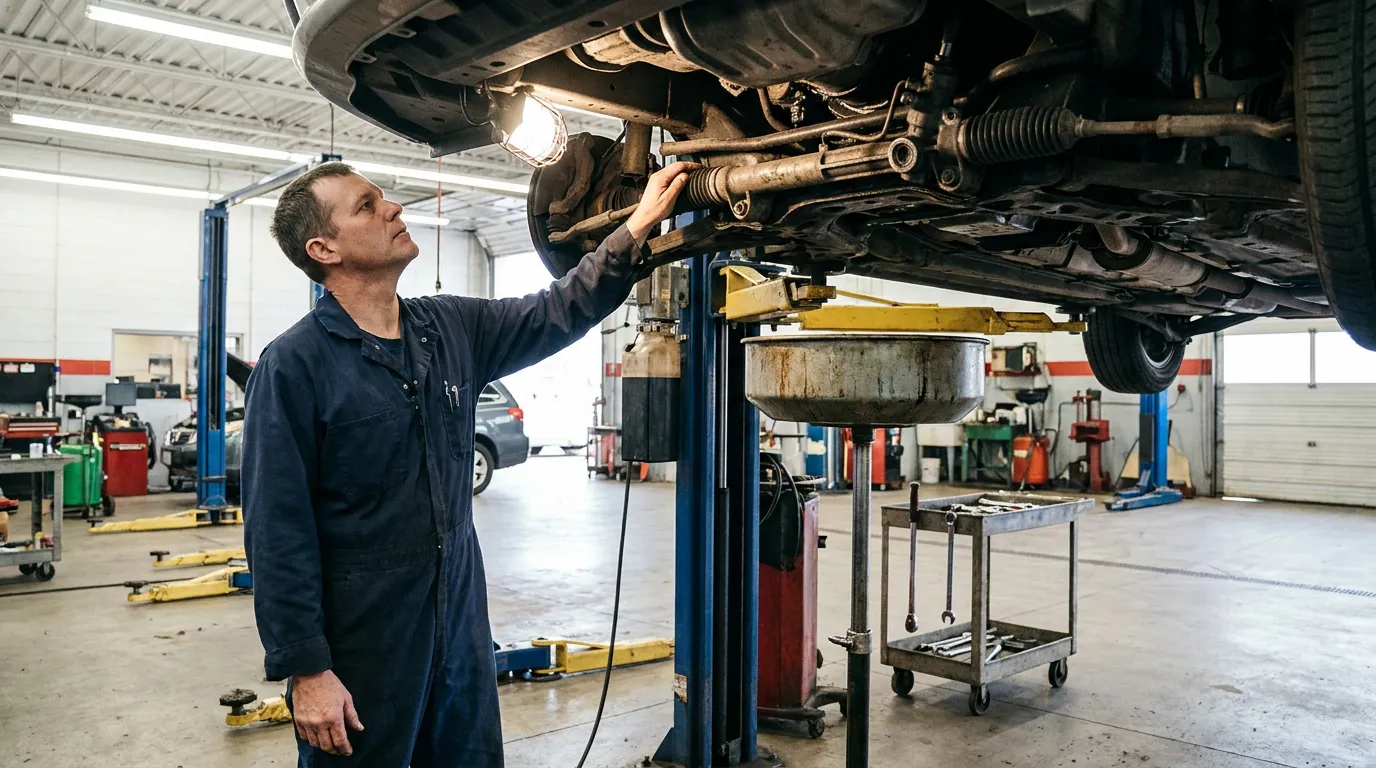
What Counts as a Nonconformity in North Carolina
North Carolina law defines a qualifying defect narrowly but meaningfully. A “nonconformity” is generally a defect or condition, or series of defects, that substantially impairs the value of the vehicle to the consumer. The statute doesn’t list specific components, so the analysis turns on the practical effect of the defect rather than its label.
Steering systems sit close to the center of that analysis. When an EPS module fails intermittently, the driver may lose assist without warning, affecting both handling and confidence. That combination may support an argument for substantial impairment, subject to how a court or manufacturer evaluates the evidence.
Why Electric Power Steering Defects Are Different
Modern steering systems are electronic, not hydraulic. An EPS defect often originates in a torque sensor, control module, or wiring harness rather than a pump or belt. These faults can be intermittent, meaning a technician may not reproduce the condition during a single visit.
Intermittent symptoms create documentation challenges. Dealer repair orders are typically the primary evidence, so each visit should be written up accurately and consistently. Your own notes about dates, symptoms, and driving conditions can supplement those records.
💡 Pro Tip: Ask the service advisor to record your exact words in the customer complaint section, including whether the steering warning light illuminated and whether assist was lost entirely or partially.
How the Electric Power Steering Failure Lemon Law Standard Works
A single failed repair visit generally does not create a claim. The consumer must generally report the nonconformity during the warranty period, and the manufacturer must be given a reasonable number of attempts to conform the vehicle to the express warranty, per N.C.G.S. §§ 20-351.2 and 20-351.3. For the replacement or refund remedy, the defect must also have occurred no later than 24 months or 24,000 miles after original delivery.
North Carolina supplies a presumption to help define “reasonable.” Under N.C.G.S. § 20-351.5, a rebuttable presumption may arise when the same nonconformity has been presented for repair four or more times and continues to exist, or when the vehicle has been out of service for 20 or more cumulative business days during any 12-month warranty period. For the days-out-of-service pathway, the consumer must generally have notified the manufacturer directly in writing and allowed up to 15 calendar days to correct the problem. Tracking drop-off and pickup dates precisely matters in a steering defect claim.
|
Pathway to the Presumption |
General Threshold |
Why It Matters for EPS Claims |
|---|---|---|
|
Same defect repaired repeatedly |
Four or more attempts |
May apply when the same steering fault returns after each visit |
|
Cumulative days out of service |
20 or more business days |
Parts backorders on EPS modules can accumulate quickly |
|
Written notice to the manufacturer |
Up to 15 calendar days for a final repair |
Required for the days-out-of-service pathway and often disputed |
The presumption is rebuttable, not conclusive. A manufacturer may argue the repair attempts addressed different conditions, that the vehicle was drivable, or that the defect doesn’t rise to substantial impairment. A consumer may also prove substantial impairment without relying on the presumption at all. Understanding North Carolina’s 20 business days rule can help consumers track service time accurately from the start.
Warranty Coverage Versus Lemon Law Eligibility in NC
These are related but separate protections. A power steering warranty claim generally arises from the manufacturer’s express written warranty, while lemon law eligibility depends on the statutory elements above. A defect can be covered by warranty and still fall short of the lemon law standard if repaired successfully on the first attempt.
Implied warranties add another layer. Under the Uniform Commercial Code, the implied warranty of merchantability generally requires a vehicle be fit for ordinary driving purposes, which can extend to core systems like steering. Guidance on types of vehicle warranties explains how express and implied protections differ, and disclaimers or time limits may affect these rights.
Conditions the Statute Excludes
Not every steering problem is a nonconformity North Carolina law recognizes. Under N.C.G.S. § 20-351.4, it is an affirmative defense that the nonconformity resulted from abuse, neglect, odometer tampering, or unauthorized modifications. Because this is a defense, the manufacturer generally bears the burden of proving it, and it can become disputed when aftermarket parts, lift kits, or non-dealer repairs are involved.
Causation is frequently contested. If a manufacturer claims a modification caused the EPS fault, the analysis may require technical evidence and careful review of the vehicle’s full service history. These are fact-dependent questions on which reasonable technicians can disagree.
Building the Record for a Steering Defect Claim
Documentation drives outcomes in these cases. Consumers are generally in a stronger position when their file reflects consistent, dated records tied to the same underlying condition. Consider gathering:
-
Every repair order from each dealer visit, including invoices showing no charge under warranty
-
Loaner or rental agreements and pickup dates establishing days out of service
-
Written correspondence with the dealer or manufacturer, including case numbers
-
Purchase or lease documents showing warranty start date and mileage
-
Any recall notices or technical service bulletins relating to the EPS system
Request copies at the time of service rather than months later. Dealers generally provide repair orders on request, and obtaining them contemporaneously can help avoid gaps if the service department changes ownership or systems.
💡 Pro Tip: If the dealer reports “could not duplicate,” the visit may still count toward your repair history. Keep that repair order; it documents that you presented the complaint during the warranty period.
Remedies and Next Steps Under NC Lemon Law Coverage
The statutory remedy is generally replacement or refund at the consumer’s option. Any refund is typically reduced by a statutory allowance for the consumer’s use of the vehicle. The North Carolina Department of Justice’s guidance on the state’s Lemon Law protections for new vehicles describes manufacturer notification requirements and dispute resolution options. Where a manufacturer maintains an informal dispute settlement procedure complying with federal regulations, a consumer may be required to use it before filing suit.
Administrative complaint processes are separate from a civil lawsuit. Filing a consumer complaint with a state agency generally does not preserve or extend a statutory deadline and typically does not substitute for a court action. Deadlines under the Act are generally enforced, though limited extensions exist, such as when repair services are unavailable because of war, strike, or natural disaster.
Timing Considerations Consumers Often Overlook
The remedy window is tied to early ownership. Because the 24-month or 24,000-mile period generally runs from original delivery, a defect appearing late in the warranty may require a different evidentiary approach, including claims under the express warranty or the federal Magnuson-Moss Warranty Act. Waiting to act can limit options, particularly where the manufacturer disputes notice.
Every case turns on its own facts. Nothing in this article establishes that a particular vehicle qualifies, and the strength of any claim depends on the repair record, the nature of the defect, and how the manufacturer responds.
Frequently Asked Questions
1. Does a single EPS module replacement make my car a lemon?
Generally no. North Carolina’s framework under N.C.G.S. § 20-351.5 contemplates repeated unsuccessful repair attempts or extended time out of service. A defect fixed on the first visit typically falls under ordinary warranty coverage rather than the lemon law.
2. What if the dealer says they cannot reproduce the steering problem?
That outcome is common with intermittent electronic faults. The visit still creates a documented record that you reported the condition during the warranty period, which may matter later. Continue reporting the symptom each time it occurs.
3. Can a leased vehicle qualify for a lemon law remedy?
Lessees of new motor vehicles may have rights under the Act, subject to the statutory definitions and conditions. The analysis depends on the lease terms and the vehicle’s warranty status.
4. Does my vehicle’s age or model year affect whether the firm can help?
In many cases, yes. Jeffries Law generally handles claims involving vehicles from model year 2020 or newer. A case review can help confirm whether your specific vehicle and repair history fit within the firm’s practice.
5. Are power steering failures treated more seriously than other defects?
Not as a separate statutory category. North Carolina’s Act does not set a lower repair-attempt threshold for safety defects, but because loss of steering assist can affect vehicle control, the safety consequences may support an argument that the defect substantially impairs the vehicle’s value to the consumer.
Protecting Your Rights After Repeated Steering Repairs
A recurring electric power steering failure in a 2020 or newer vehicle raises legitimate questions about substantial impairment under North Carolina’s New Motor Vehicles Warranties Act. The statute provides a structured path, which may include reporting the defect during the warranty period, written notice to the manufacturer, a reasonable number of repair attempts, and a rebuttable presumption that could support a claim for replacement or refund. Whether your situation satisfies those elements depends on your documented repair history, the timing of each visit, and how the manufacturer characterizes the defect.
You do not have to evaluate that record alone. Jeffries Law represents North Carolina consumers, not manufacturers, in warranty and lemon law disputes. Call 877-454-6045, schedule a case review, or learn more about NC lemon law claims through official state resources to understand the options available to you.
Disclaimer: This content is for informational purposes only and is not legal advice. Every case is unique, and results may vary. Consult an attorney about your specific circumstances.